

Pressure-Based Tactile Infrastructure for Military Aviation And Maintenance Training
Enabling physically accurate interaction in distributed simulation environments - at a fraction of the cost of traditional training systems.

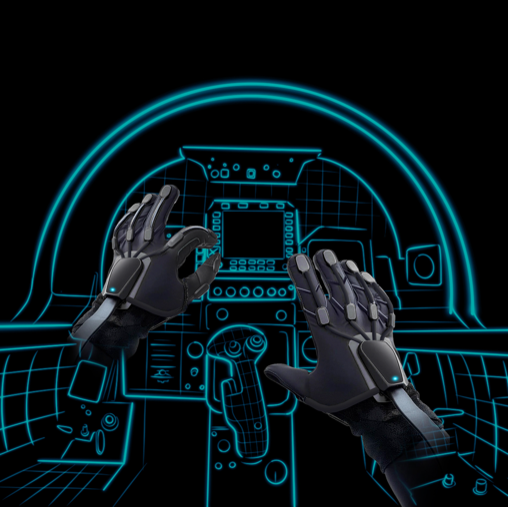
Technology
Extended Reality (XR) systems have reached maturity in visual resolution and spatial tracking. However, high-consequence training environments — particularly aviation and defense — Remain limited by one critical capability: realistic tactile interaction.
Most existing haptic systems rely on vibration. While sufficient for consumer applications, vibrotactile feedback does not replicate pressure, resistance, detents, or mechanical interaction.
Haptics Research Inc. (HRi) is developing a pressure-based tactile architecture designed specifically for professional training simulation.
What We Do
within simulated environments through force and contact feedback.
Core capabilities include:
- Pressure-based contact rendering across the hand
- High-resolution fingertip force interaction
- Simulation of mechanical resistance and detents
- Integration with modern XR simulation environments
This approach enables a transition from visually immersive systems to physically interactive training infrastructure.
However, high-consequence training environments — particularly aviation and defense — remain constrained by one missing capability:
realistic tactile interaction.
Most existing haptic systems rely on vibration.
While sufficient for consumer applications, vibrotactile feedback does not replicate pressure, resistance, detents, or mechanical interaction.
That's where we come in.
A New Layer of Training Infrastructure
Why It Matters
- High-fidelity simulators cost $10M–$40M per unit
- Limited deployment density restricts training availability
- Maintenance training systems are often fragmented or unavailable
HRi's scalable tactile interface layer enables:
- Increased training density
- Distributed training environments
- Improved procedural realism
- Better skill retention
- New categories of simulation capability
READ MORE ON HRI
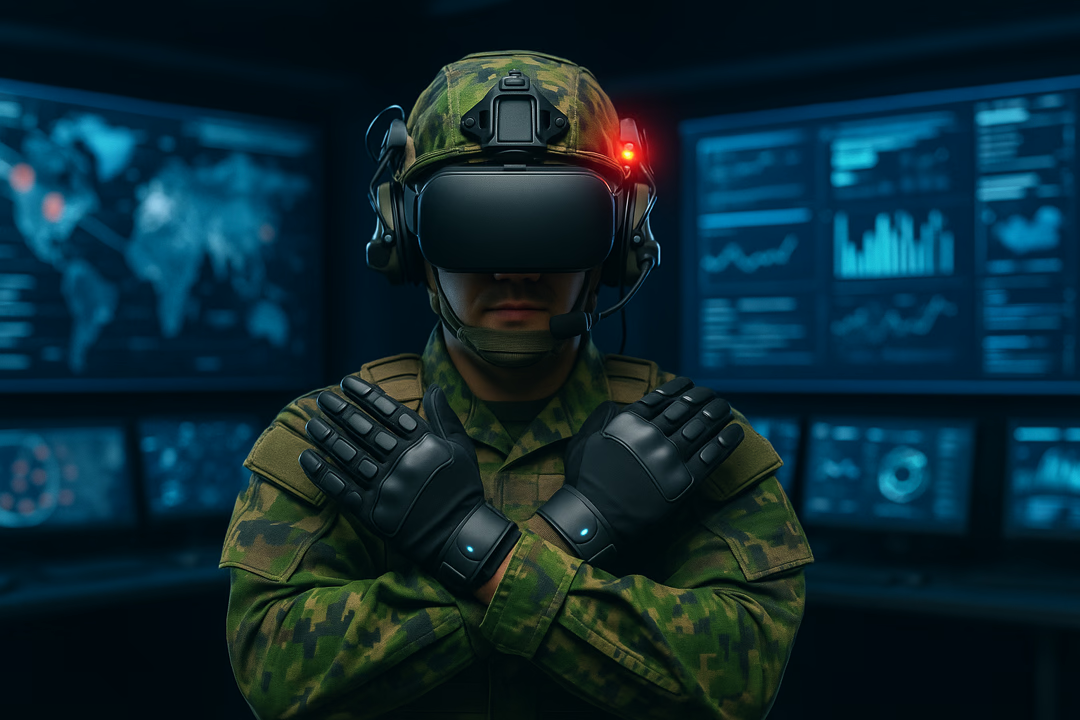
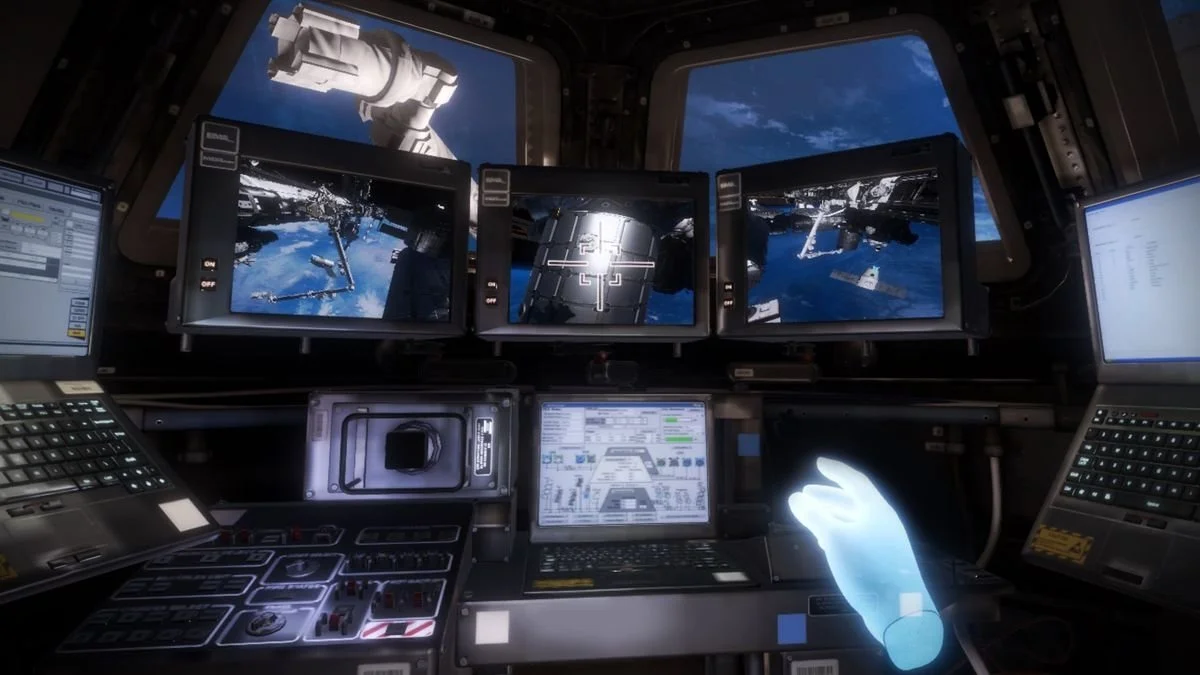
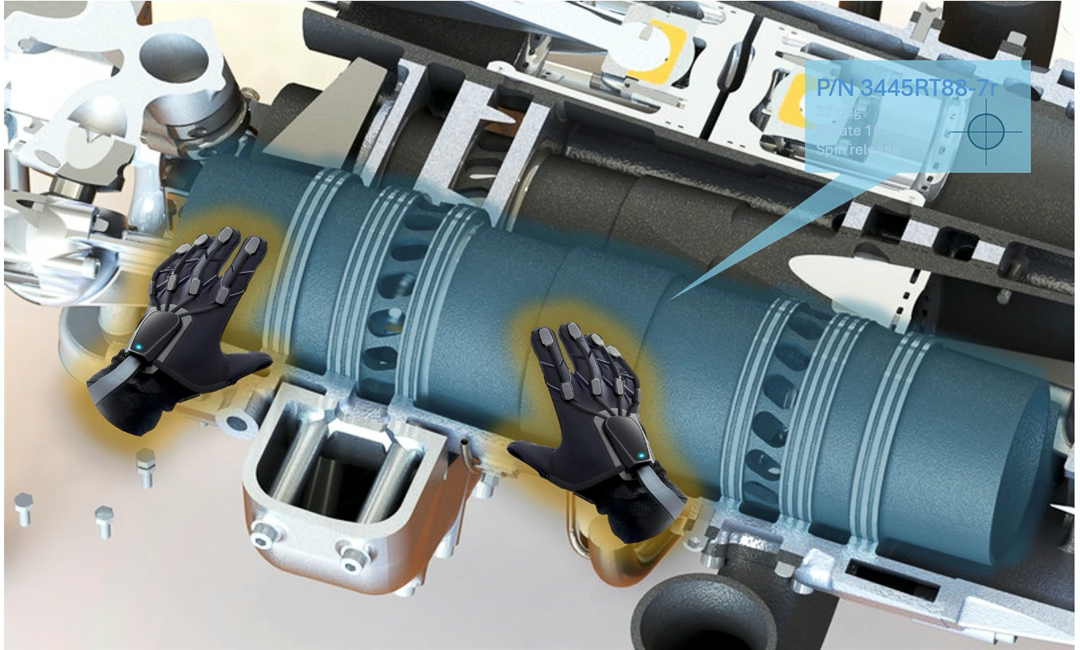
OUR FOCUS
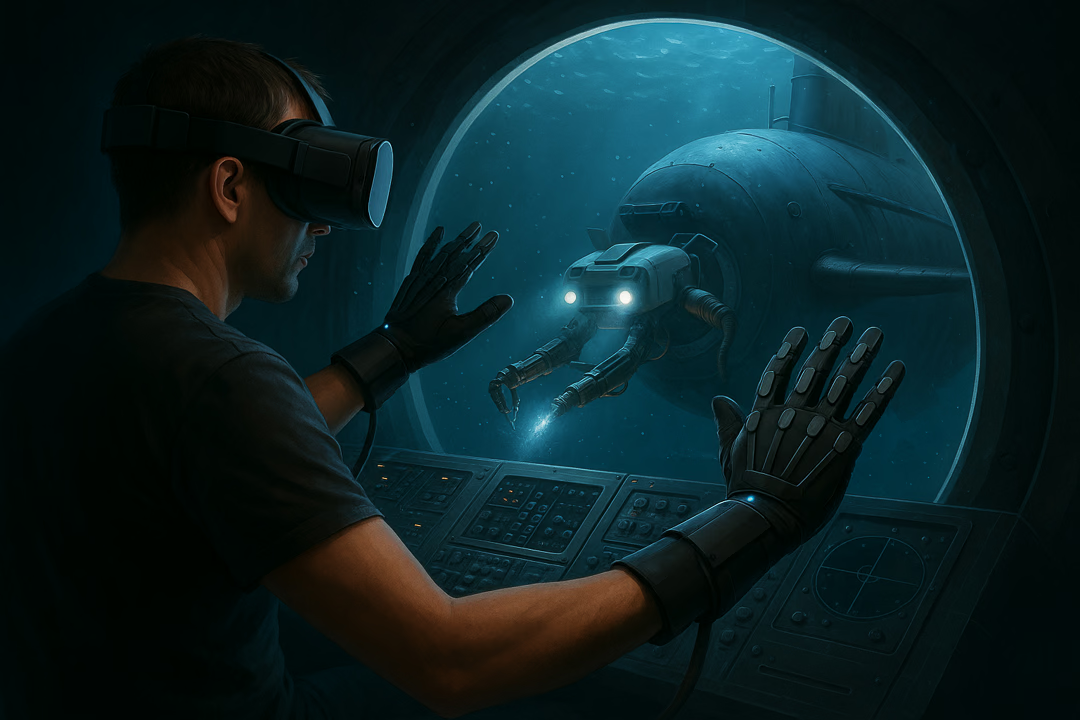
This environment provides a high-value use case where tactile realism directly impacts training effectiveness.
While initial development is focused on military aviation training, the underlying architecture is extensible to other high-consequence training environments where realistic physical interaction is critical.
Questions? Answers!
What problem is HRi solving, and why does it matter now?
HRi addresses a critical gap in modern simulation: the lack of physically accurate interaction. While visual simulation has matured significantly, most systems still rely on vibration-based feedback that cannot replicate force, resistance, or mechanical behavior.
In high-consequence environments like military aviation, this limitation impacts procedural realism and skill transfer. HRi’s pressure-based tactile approach enables realistic interaction within simulation systems, improving training effectiveness while supporting more scalable deployment models.
How is HRi’s technology differentiated from existing haptics solutions?
Most haptic systems are designed around vibrotactile feedback—simulating sensation rather than interaction. HRi takes a fundamentally different approach by focusing on pressure-based force interaction.
This allows for:
- Realistic resistance and detents
- Precise fingertip interaction
- Repeatable, physically meaningful engagement
The result is not just a more immersive experience, but a system that supports procedural accuracy and real-world skill development.
What is the initial market focus, and why start there?
HRi is initially focused on military aviation training and maintenance environments.
This is a deliberate entry point because:
- Training outcomes are directly tied to interaction fidelity
- Existing systems are costly and limited in deployment
- There is a clear need for scalable, high-fidelity alternatives
This focused approach allows HRi to demonstrate value in a high-impact environment before expanding into other high-consequence training domains.
How does HRi scale within the broader training ecosystem?
HRi is designed as an integration layer, not a standalone system.
The technology interfaces with existing XR and simulation platforms, enabling:
- Deployment within current training workflows
- Expansion into distributed training environments
- Increased training density without major infrastructure changes
This approach reduces adoption friction and positions HRi as a foundational component within next-generation training systems.
We would love to hear your thoughts. Contact Us.